German Bundestag member: “We can have economic relations with Azerbaijan, but that does not mean we should remain silent about what is happening in the country.”
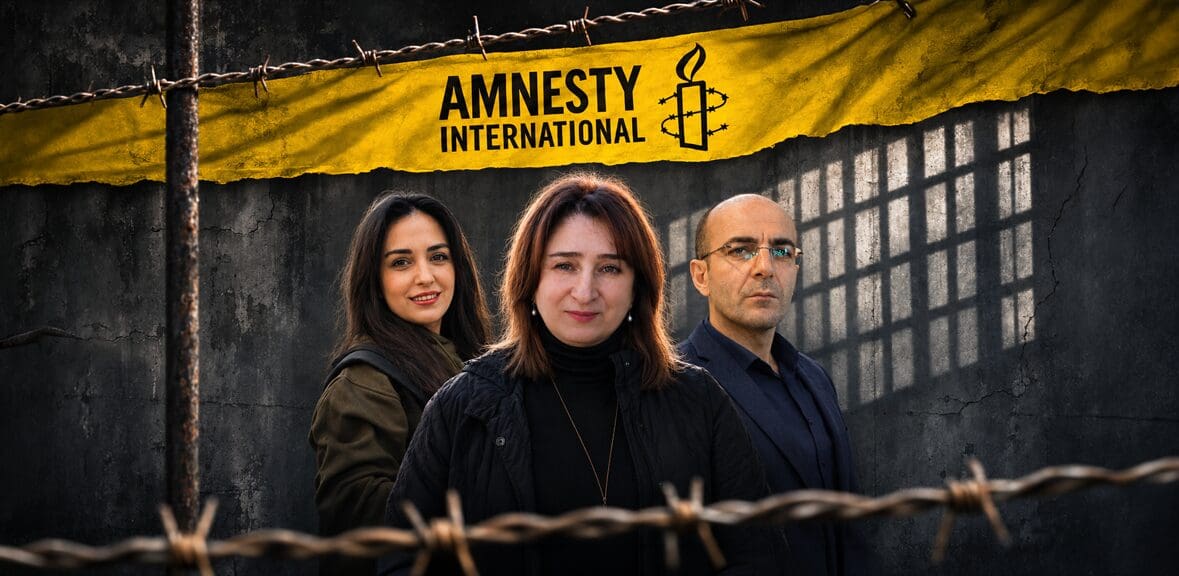
German Bundestag member Frank Schwabe has expressed concern over the growing number of political prisoners in Azerbaijan, the imprisonment of journalists, and the human rights situation in the country.
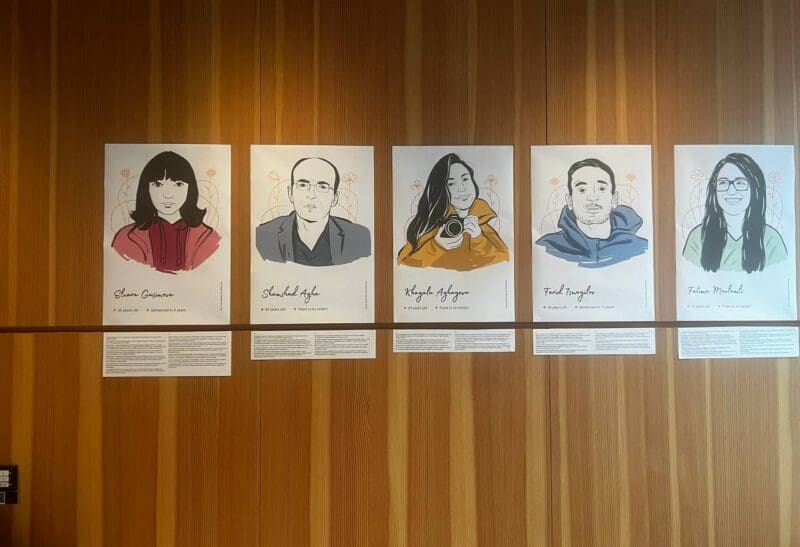
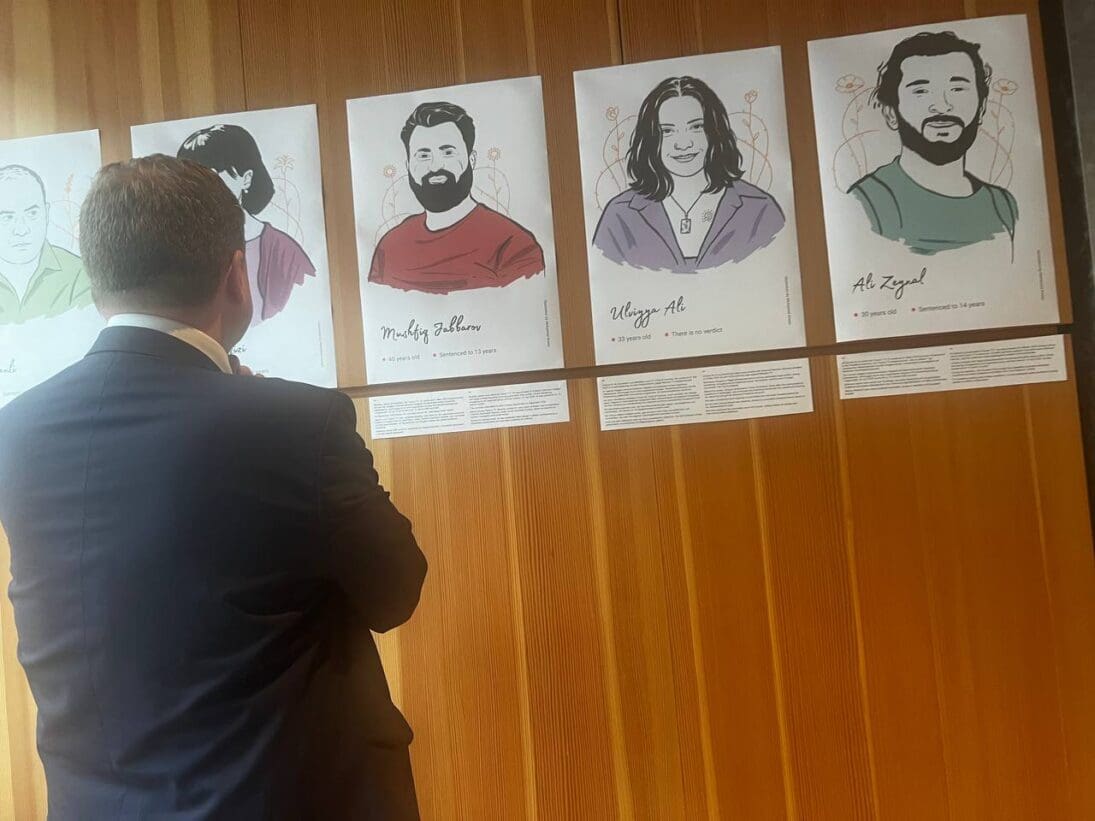
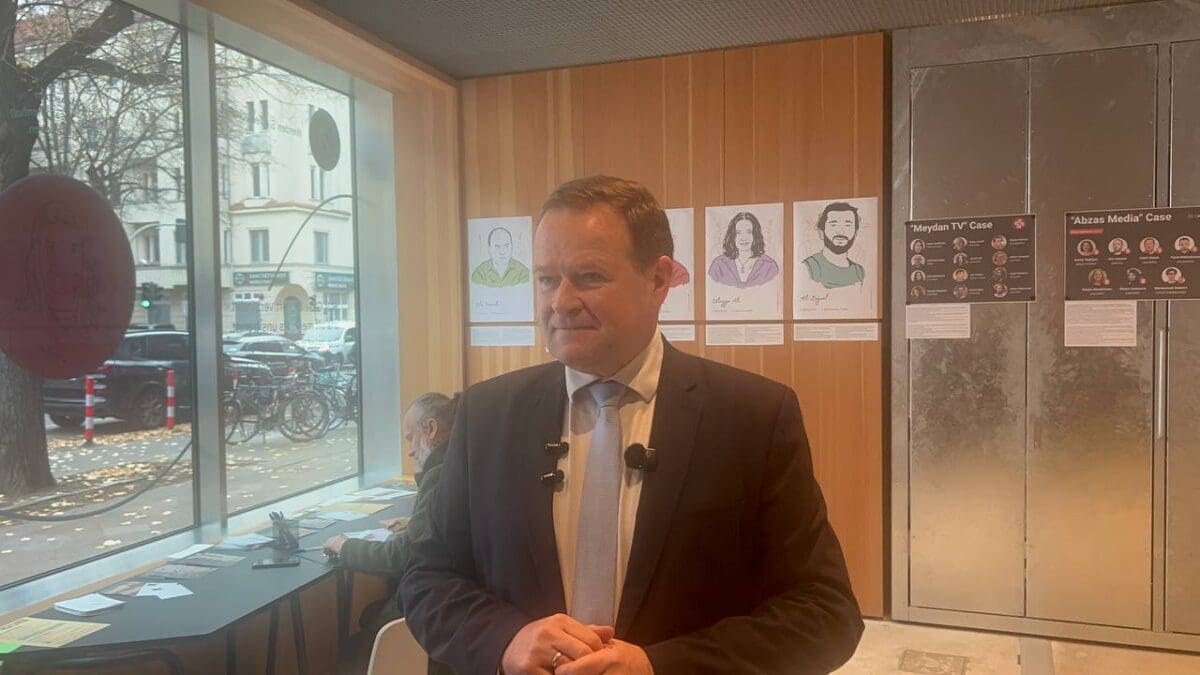
He attended an exhibition organised in support of journalists imprisoned in Azerbaijan as part of Berlin Freedom Week, held in Berlin.
In an interview, Schwabe spoke about economic relations between Germany and Azerbaijan, the steps international organisations can take to secure the release of political prisoners, and his relationship with the Azerbaijani authorities.
– You are attending an exhibition in support of journalists imprisoned in Azerbaijan. What is the main reason for your visit?
– I am here because I am concerned about what is happening in the world. Freedom Week is currently taking place in Berlin, drawing attention to the situation in different countries.
I am quite familiar with the situation in Azerbaijan. Unfortunately, the number of people imprisoned for political reasons continues to grow. Every time, we have to update these figures. Many of those arrested are journalists.
I am here today to show that I stand with these people and support them.
I think it is very important for them to know that they are not alone and that nobody has forgotten them. We must talk about what is happening in Azerbaijan and inform people about it. There is a lot of interest in what is happening in the country.
– Germany and Azerbaijan have economic ties, particularly in the energy sector. How do you think these relations affect the human rights situation in Azerbaijan?
– As you know, Germany has economic relations with many countries around the world. Some of them have authoritarian regimes, even dictatorships.
Unfortunately, Azerbaijan has now become one of these countries. On paper, it may appear to be a democratic country. But if we look at the characteristics of a dictatorship, we can see that they are present in Azerbaijan today.
We also have extensive trade and economic relations with China and other authoritarian countries.
I am not among those who demand that all economic relations with these countries be cut off. But economic cooperation does not mean that we should not speak openly about the human rights situation. There is no reason to remain silent.
The situation in Azerbaijan was already very bad ten years ago. Now it has become even worse.
I do not want the Azerbaijani side to convince us that everything is fine or to create a false picture of the situation in the country.
There are international organisations that work on democracy, human rights and the rule of law. One of them is the Council of Europe. Germany is also a member of this organisation, and we have held many discussions there about Azerbaijan.
The German government also shares the view that the situation in Azerbaijan is bad.
This is one of the reasons behind the institutional confrontation between Azerbaijan and the Council of Europe. The President of Azerbaijan is not happy with the work I do. But I am simply demanding that Azerbaijan comply with the rules and obligations it has accepted itself.
– What can be done to speed up the release of journalists and other political prisoners in Azerbaijan? What steps should the Council of Europe and other European institutions take?
– There is no single solution. If there were, I would recommend it to many countries around the world.
But we must keep these issues on the agenda and speak openly about what is happening. Serious pressure must be put on Azerbaijan.
The governments of other countries must demand the release of political prisoners in their talks with Azerbaijan.
International organisations also have a role to play. Azerbaijan is a member of the Council of Europe and undertook certain obligations when it joined the organisation. It must fulfil these obligations, including complying with the judgments of the European Court of Human Rights.
There are numerous court judgments concerning the situation in Azerbaijan. We are not asking for anything extraordinary. We simply want these judgments to be implemented.
There are many people who should be released. Azerbaijan is not fully meeting the obligations it has undertaken.
That is why it is very important to bring the situation to public attention. What you are doing here today is a good example of this.
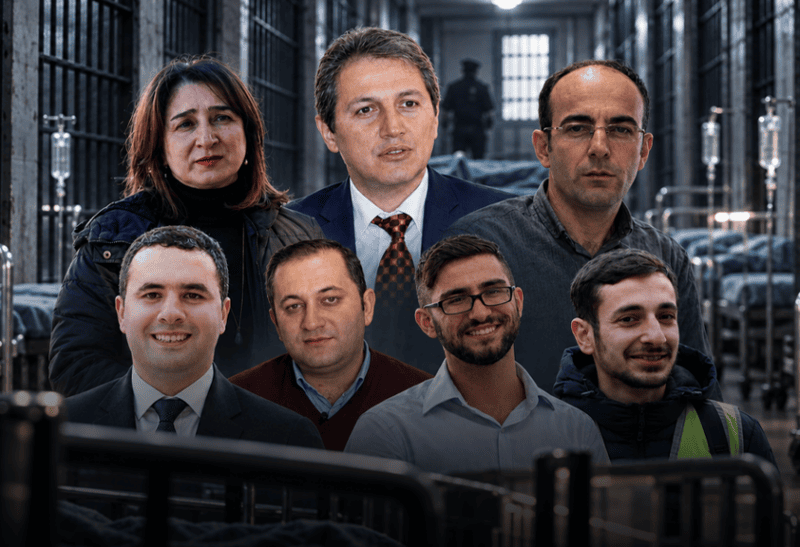
The issue should not be limited to the fact that there are more than 300 political prisoners. We also need to show their faces, photographs, life stories and the conditions in which they are being held.
Because then we can see that these people are not criminals. They are people doing very difficult but important work for the Azerbaijani people.
There must be institutions that hold those responsible to account when human rights are not respected. This is also one of the responsibilities of the Council of Europe.
The President of Azerbaijan may be unhappy with my work. But I am simply insisting that Azerbaijan comply with the documents it has signed and the rules it has accepted.
– Do you see any progress towards the release of political prisoners? Are there talks with the Azerbaijani government on this issue?
– At the moment, nobody from the Azerbaijani government is talking to me. (Laughs.)
I am not even allowed to visit Azerbaijan. More than 70 members of parliament across Europe have been banned from entering Azerbaijan.
Of course, I would like to speak with representatives of the Azerbaijani government. But when I talk to them, I demand that they respect the values of the Council of Europe and implement court judgments.
That is exactly what I want from the Azerbaijani government. Unfortunately, they are not doing it.
For example, there is Anar Mammadli, whom I know personally. Decisions have been adopted within the framework of the Council of Europe calling for the release of people like him. The European Court of Human Rights has also issued judgments concerning politically motivated arrests. But Azerbaijan is not fulfilling these obligations.
On the other hand, we are also seeing some progress. For example, Gubad Ibadoghlu was able to leave the country.
Perhaps this was the result of international efforts. I do not know the details, but I am sure that his case was on the agenda of intergovernmental talks.
Gubad Ibadoghlu wanted to work as a professor in Germany. That was his wish. I hope that once his health improves, he will be able to start working there.
So, no matter how difficult the situation is, nobody should feel alone.
We must make it clear that none of these people have been forgotten. These young women and other journalists should not be in Azerbaijani prisons.
They should be free and able to live and work wherever they choose. Perhaps they would even be here with us in Berlin today.