The rules governing the blocking of websites in Azerbaijan without a court order are being expanded. To this end, amendments have been adopted to the Law “On Information, Informatization, and Protection of Information.”
According to the amendments adopted by Parliament on July 10, government authorities will now be able to impose temporary access restrictions on internet resources in a broader range of cases without waiting for a court order.
Previously, blocking without a court order could only be applied in urgent cases where there was a threat to the legally protected interests of the state and society or a real danger to people’s lives and health.
Now, internet resources alleged to disseminate information involving insult, defamation, invasion of privacy, promotion of narcotic drugs, pornographic materials, encouragement of gambling, and promotion of suicide may also be temporarily blocked without a court order.
In addition, films and games that do not display age restrictions for children, as well as false information that could pose a threat to public safety, will also be considered grounds for blocking.
How has the law been tightened over the years?
The Law “On Information, Informatization, and Protection of Information” was adopted in 1998. At that time, access to internet resources could only be restricted on the basis of a court order.
In 2017, Article 13-3 was added to the law. Under the new provision, the Ministry of Digital Development and Transport was authorized to temporarily block internet resources without a court order in urgent cases where a “threat to the legally protected interests of the state and society” was deemed to exist. Under the rules, after imposing the block, the ministry was required to apply to a court within five days.
Shortly after this amendment, access was restricted to the websites of Meydan TV (meydan.tv), Radio Azadliq (azadliq.org), the Azadliq newspaper (azadliq.info), the Turkey-based broadcaster Turan TV (turan.tv), and the television program Azerbaijan Hour (azerbaycansaati.org). Although these outlets were accused of publishing material contrary to the interests and security of the state, the defense argued that the allegations were unfounded and challenged them in court.
The next round of amendments came in 2020–2021. During the COVID-19 pandemic and the Second Karabakh War, “the dissemination of false information of public significance” was added to the grounds for blocking internet resources.
As a result, the power to block internet resources without a court order, which was initially intended only for urgent cases, has gradually been expanded through subsequent amendments to apply in a much broader range of circumstances.
So, what problems could the new amendments create?
Lawyer Ruslan Aliyev told Meydan TV that the new amendments give government authorities broader powers to block internet resources and create a risk of abuse of those powers. According to him, this concern is based on the authorities’ previous blocking practices:
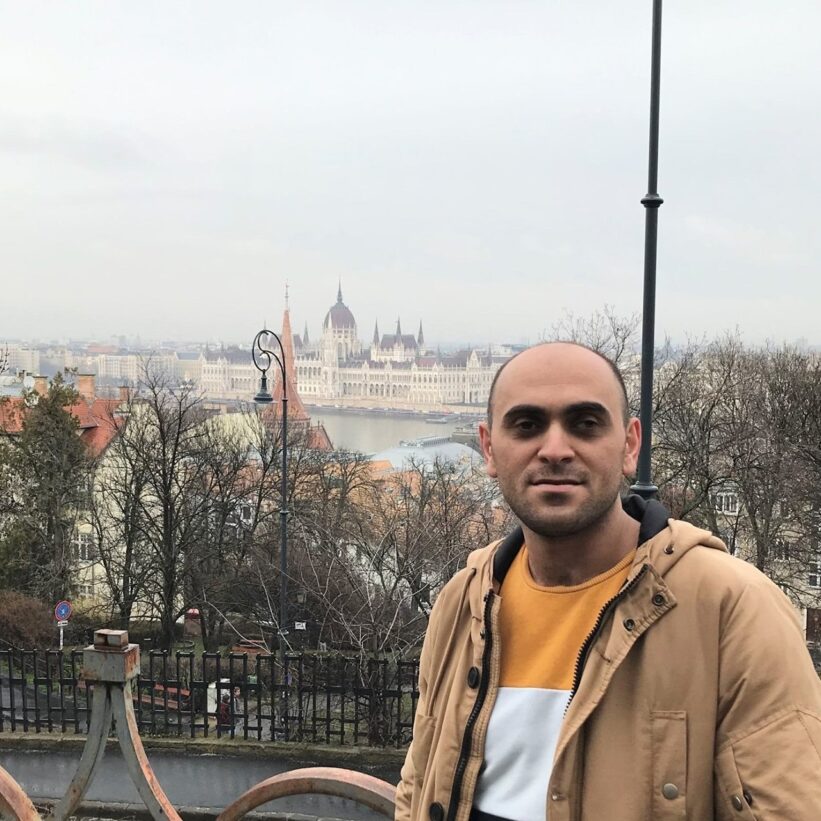
“I’m not saying this as mere speculation. My concern is based on the previous actions of government authorities and their past practice of blocking websites. In the past, this mechanism has been used against political opponents. Expanding these powers through the new amendments only increases those risks.”
Legal battle after blocking: “Once the block is imposed, you’re at a clear disadvantage.”
According to the lawyer, the new rules could place the owners of internet resources in a difficult position. They will first face a blocking order and will then have to resort to legal proceedings to challenge the decision and defend their rights.
“Previously, there was at least a formal court hearing, some form of justification, and a decision issued in the name of the state and the people. Now, however, a single official will technically be able to block a large amount of content within seconds under this pretext. There’s a saying: ‘Afterward, you’re left on foot while they ride on horseback.’ Once a website is blocked, you’re the one who has to go after them and set the legal mechanisms in motion to have the block lifted.”
How will the line between critical media and unlawful content be determined?
Ruslan Aliyev believes that the main problem is that resources publishing critical and alternative information are being assessed under the same blocking mechanism as websites hosting unlawful content:
“The main concern raised by these amendments is that the expanded blocking powers will be used not only to combat unlawful content but also to restrict resources that criticize the authorities—and we have seen this happen before. In effect, the authorities are making critical media a target.”
New restrictions on bloggers: “They want to silence critical voices abroad.”
Blogger Mehman Huseynov told Meydan TV that the new amendments are aimed at restricting the activities of critical bloggers based abroad. At the beginning of 2026, he published a series of videos concerning Alyona Aliyeva, the daughter-in-law of Ilham Aliyev. According to the blogger, following those videos, proposals and discussions emerged about restricting the activities of bloggers operating from abroad.
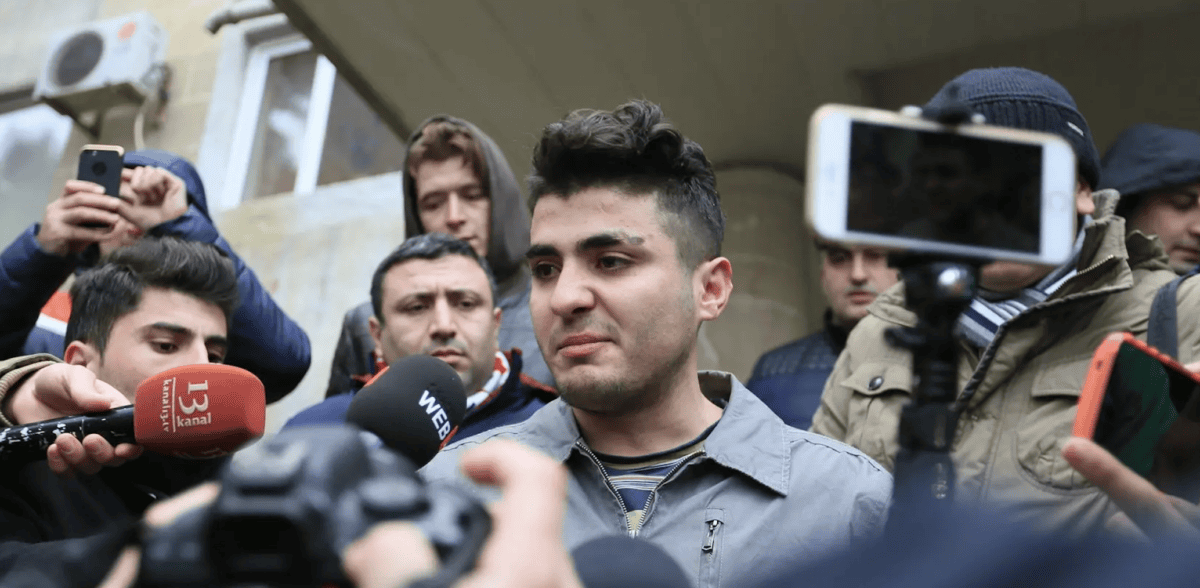
“I can say with complete confidence that this law was adopted specifically because of the Alyona Aliyeva issue, in order to restrict the activities of bloggers abroad and create obstacles for us,” Mehman Huseynov says.
“Even if there are bans, people will inevitably find alternative ways.”
Mehman Huseynov believes that attempts to increase control over the internet will not produce long-term results and that users will find alternative ways:
“In the twenty-first century, it is no longer possible to restrict any word or any open expression of opinion completely. For example, no matter how much the internet is restricted in Russia, alternative ways emerge. If they have not been able to completely shut down the internet there, I do not believe that such bans will fully achieve their intended results in Azerbaijan either.”
The blogger added that he will continue his activities despite the new restrictions:
“Just as I have been active on social networks up to now, I will continue my activities in the same way despite any obstacles and restrictions in the future.”
The authorities are also increasing control over social networks.
In recent years, regulatory mechanisms related to the operation of social networks in Azerbaijan have also been expanded. Under the new rules adopted recently, individuals under the age of 16 will not be allowed to create accounts on social media platforms that have age restrictions in place. Platforms will be required to verify users’ ages, while some platforms providing services to users in Azerbaijan will have to register in the country or establish a local representative office. Requirements are also being introduced regarding platforms’ responses to requests from government authorities.