This week saw rising concerns over the health of imprisoned Azerbaijani opposition figure Tofig Yagublu, who reportedly lost consciousness during his hunger strike. European Council President António Costa visited Baku to discuss energy cooperation and regional stability with President Ilham Aliyev, while Armenian Prime Minister Nikol Pashinyan told the European Parliament that peace with Azerbaijan has been “effectively secured” following last year’s Washington declaration.
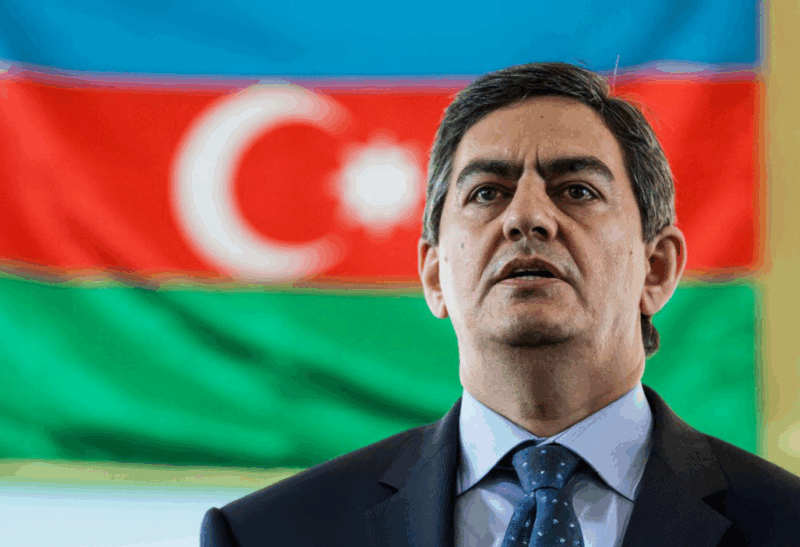
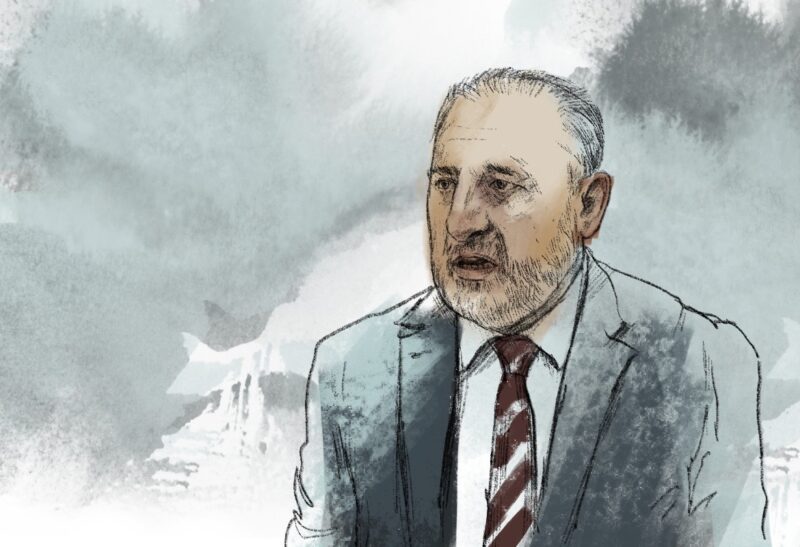
Imprisoned opposition politician Tofig Yagublu reportedly loses consciousness during hunger strike
Tofig Yaqublu, a member of the National Council and the Musavat Party currently in detention, reportedly lost consciousness as his hunger strike entered its nineteenth day. The information was shared by his daughter, Nigar Hazi, in a post on social media on March 13.
According to Hazi, lawyer Nemat Karimli met with Yagublu at the detention facility and reported that the opposition politician’s health condition has significantly worsened. The lawyer said Yagublu has lost a considerable amount of weight, become weaker, and is experiencing difficulty walking. Hazi also noted that his complexion appeared noticeably paler compared with previous meetings.
The lawyer’s visit reportedly coincided with a medical examination scheduled for Yagublu at the facility. According to Hazi, the politician first met with his lawyer before undergoing the examination, and the family expects to learn the results during the next scheduled phone call.
Hazi also said that her father’s dizziness has intensified and that he fainted the previous day. She criticized prison authorities for confiscating Yagublu’s wristwatch, which she said forces him to walk to a television screen to check the time despite his weakened condition and deteriorating eyesight caused by the hunger strike.
“Tofig Yagublu has already been on hunger strike for 19 days and is suffering enough; adding such petty actions that cause additional suffering is inhumane,” Hazi wrote, expressing concern about her father’s health and calling for his release.
Yagublu was arrested in December 2023. On March 10, 2025, the Baku Court for Serious Crimes sentenced him to nine years in prison on charges related to large-scale fraud and the forgery or use of forged documents, accusations he denies. In protest against the charges, he previously conducted a 40-day hunger strike from April 1 to May 10, 2025. Over the years, Yagublu has been repeatedly detained and has reported beatings, torture, and other forms of pressure while in custody.
EU Council President António Costa discusses energy cooperation during Baku visit
European Council President António Costa visited Azerbaijan on March 11 and held talks in Baku with Azerbaijani President Ilham Aliyev on energy cooperation, regional security, and EU–Azerbaijan relations. Ahead of the meeting, Costa said on the social platform X that he was looking forward to the discussions and emphasized Azerbaijan’s importance as a partner for the European Union.
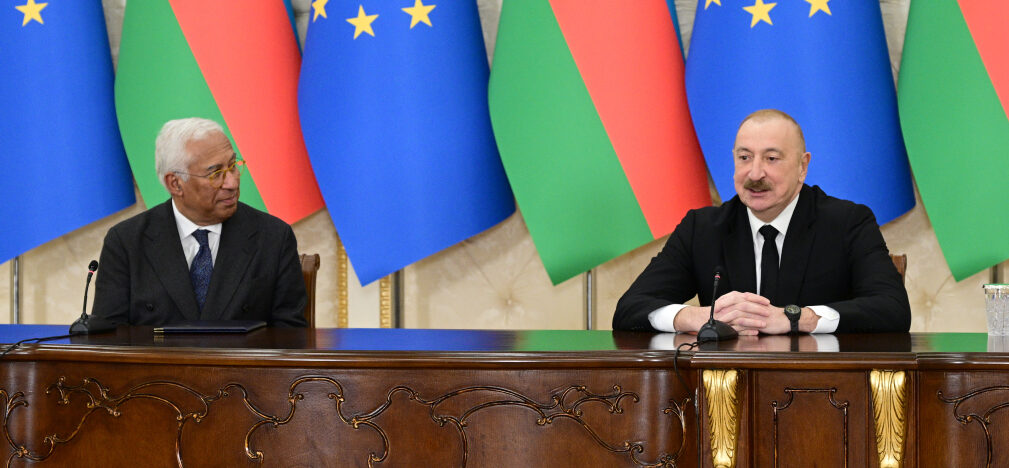
After the meeting, the two leaders told reporters that economic and energy cooperation is becoming central to relations between Azerbaijan and the EU. Aliyev said ties have intensified in recent years, noting frequent visits by European Commission officials and growing cooperation at multiple levels. He emphasized that the EU is Azerbaijan’s largest trading partner, accounting for about 50 percent of the country’s trade turnover in January. Energy was a key focus of the talks: Aliyev said ten EU member states currently receive Azerbaijani gas and the total number of importing countries has reached sixteen, while Azerbaijan plans to increase production by at least 10 billion cubic meters. He also said the country aims to develop 6–8 gigawatts of export-ready renewable energy capacity within five to six years. Costa described energy security as a cornerstone of cooperation, highlighting the role of the Southern Gas Corridor in diversifying Europe’s energy supplies and stressing the strategic importance of the Middle Corridor transport route linking Europe with the South Caucasus and Central Asia.
Aliyev also addressed the situation in the South Caucasus and the peace process with Armenia. He said the region has experienced about seven months of peace following recent developments. According to the Azerbaijani president, Azerbaijan has begun supplying certain petroleum products to Armenia and has lifted restrictions on the transit of goods from other countries through Azerbaijani territory to Armenia. Costa described progress in the peace process as “historically significant” and reaffirmed the European Union’s support for stability and cooperation in the region.
The visit comes as the EU continues efforts to reduce dependence on Russian energy following the war in Ukraine. European Energy Commissioner Dan Jørgensen recently said that Azerbaijani gas has become increasingly important for Europe as the bloc moves away from Russian supplies. Meanwhile, European Commission President Ursula von der Leyen highlighted the potential of the Middle Corridor transport route to link Azerbaijan and Armenia with Europe and expand trade and cooperation across the South Caucasus.
Despite expectations from some observers, issues related to human rights and democracy in Azerbaijan were not mentioned in the public statements following the meeting. Political analyst Nahid Jafarov said Western governments have historically prioritized national interests, particularly energy security, in relations with resource-rich countries. Civil society representative Zohrab Ismayil also pointed to changing geopolitical dynamics, noting that disrupted trade routes through Russia have increased the importance of alternative corridors through the South Caucasus. Analysts say recent EU engagement with Baku has focused largely on energy security, gas supplies, and transport corridors, while some civil society representatives worry that human rights and political freedoms are receiving less attention than in previous years.
Pashinyan tells European Parliament peace with Azerbaijan “effectively secured”
Armenian Prime Minister Nikol Pashinyan told the European Parliament on March 11 that peace between Armenia and Azerbaijan has been “effectively secured,” while also suggesting constitutional reforms aimed at moving Armenia away from what he described as a “logic of conflict.”

Speaking to European lawmakers, Pashinyan said the period since his previous visit in 2023 has brought “changes of century- or even millennium-level significance” to Armenia and the South Caucasus. He identified the establishment of peace with Azerbaijan as the most important development.
The Armenian prime minister referred to the August 8, 2025 meeting in Washington, where he and Azerbaijani President Ilham Aliyev signed a joint declaration at the White House.
“With this declaration, peace between the two peoples has effectively been secured,” Pashinyan said.
He also discussed regional connectivity initiatives, including the TRIPP infrastructure program being implemented with U.S. mediation. The project aims to establish multimodal transit routes through Armenia and create a transportation link between mainland Azerbaijan and the Nakhchivan Autonomous Republic.
Pashinyan said such regional infrastructure projects could serve as a foundation for economic cooperation and long-term stability in the South Caucasus.
Addressing the aftermath of the Karabakh conflict, the Armenian leader also spoke about the integration of ethnic Armenians who left the region. He said their situation should not be exploited politically and noted that a government housing and resettlement program has already assisted thousands of families.
At the same time, Pashinyan cautioned that peace remains fragile and requires constant effort. He also acknowledged criticism from some opposition groups and religious figures in Armenia who argue that the current peace process with Azerbaijan is not satisfactory.
The prime minister additionally discussed Armenia’s plans for closer integration with the European Union. He said the country has adopted legislation launching the process of EU accession and intends to continue reforms to align with European standards.
In comments to journalists, Pashinyan also raised the possibility of adopting a new Armenian constitution that would no longer reference the country’s 1990 Declaration of Independence, arguing that the declaration was based on the “logic of conflict.”
The proposal is politically sensitive, as Azerbaijan has previously insisted that Armenia amend its constitution as a condition for a final peace agreement, arguing that the current document contains indirect territorial claims. Armenia’s Constitutional Court has rejected this interpretation.
The conflict between Armenia and Azerbaijan began in the late 1980s and lasted for decades. Following the 44-day war in 2020 and Azerbaijan’s military operation in 2023, Baku restored control over territories previously held by Armenian forces. More than three decades after the conflict began, Armenian and Azerbaijani officials initialed the text of a peace agreement in Washington in August 2025, which includes mutual recognition of territorial integrity and plans for new regional transport connections.