The year 2025 began with price increase decisions. On January 2, the Tariff Council announced price changes in various sectors that directly affected the daily expenses of a population still not out of the holiday mood. New tariffs for natural gas, electricity, heating services, water and sewage network connections, and medicines came into force.
Increases in natural gas prices were implemented through a tiered system. For consumers with annual usage of up to 1,200 cubic meters, the price per cubic meter rose from 0.12 AZN to 0.125 AZN. For consumption between 1,200 and 2,500 cubic meters, the tariff was set at 0.22 AZN, and for consumption above 2,500 cubic meters, at 0.3 AZN. The Tariff Council announced that 48% of the population pays at the lowest tariff.
A similar mechanism was applied to electricity. Consumption of up to 200 kWh per month was set at 0.84 AZN, 200–300 kWh at 0.1 AZN, and above 300 kWh at 0.15 AZN.
Under the same decision package, separate fees were introduced for water and sewage system connections for the first time. In Baku, Sumgayit, Khirdalan, and the Absheron region, water connection fees were set at 200 AZN and sewage connections at 345 AZN. These amounts were lower in other regions.
Initially, heating service prices were 0.3 AZN per square meter and 0.146 AZN per Gcal for metered use. Midway through the year, tariffs were revised: the price per Gcal rose to 21 AZN, and unmetered heating increased to 0.45 AZN per square meter.
In the pharmaceutical market, maximum price limits were set for 303 new medicines; prices for 46 medicines were increased, while prices for 4 were reduced.
In mid-January, public attention suddenly shifted.
Imishli: accident, protest, court
On January 18, a collision in the city of Imishli between a State Traffic Police BMW and a Mercedes-Benz 190 had severe consequences. Three schoolchildren returning home were injured. Two children died at the scene, and another died in hospital a few days later.
According to expert opinion, the police vehicle was traveling at an average speed of 159 km/h. The driver of the Mercedes-Benz, Baylar Bayramli (born 2008), was charged with driving without a license, violating traffic rules, and fleeing the scene. By decision of the Lankaran Serious Crimes Court, he was sentenced to 7 years and 6 months in prison. It was reported that the families of the deceased children did not file complaints against him.
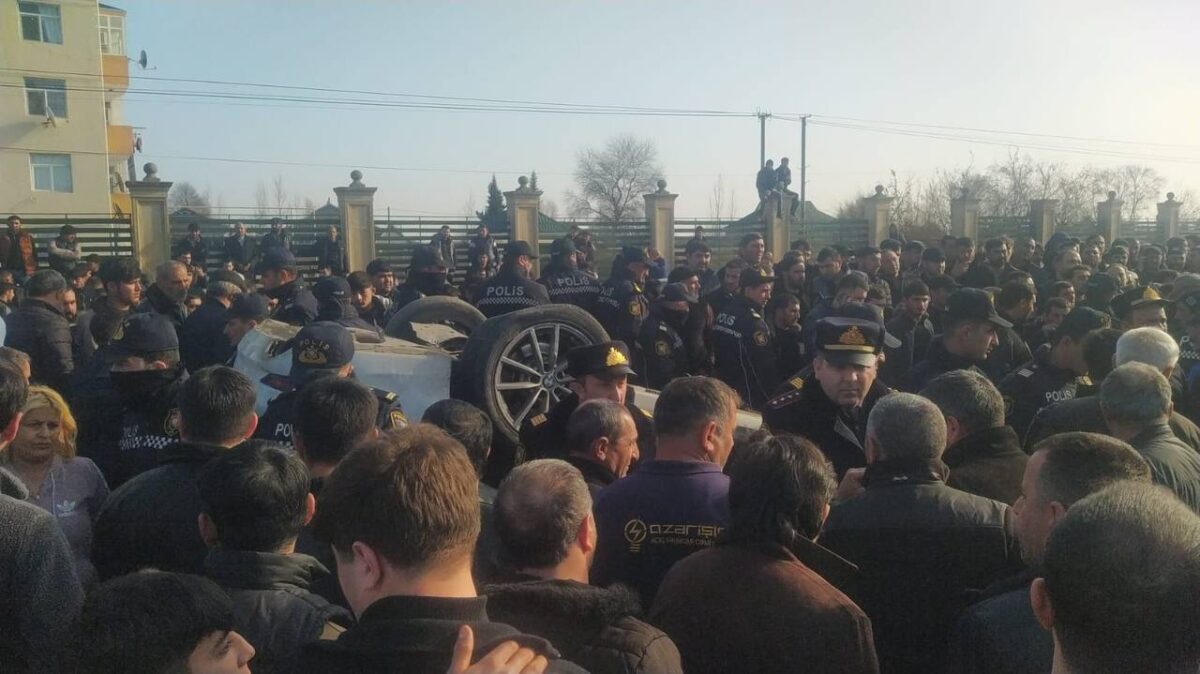
Following the accident, protests immediately began in Imishli. Protesters overturned a police vehicle, marched toward the District Police Department, and chanted slogans demanding resignation. The Ministry of Internal Affairs stated that detainees were charged with hooliganism.
Although official figures indicated 19 detainees, unofficial sources reported higher numbers. A reinforced police regime was established in the city, accompanied by reports of internet shutdowns and deployment of internal security forces.
On July 3, the court delivered verdicts against 19 individuals in connection with the protests. Eight of them were sentenced to prison terms ranging from 1 to 4 years, while 11 received sentences of restricted freedom.
Ganja: death and questions
In May, attention turned to the city of Ganja. Elgun Ibrahimov (born 2007) was found severely injured on May 13 in the courtyard of an abandoned student dormitory and later died in hospital.
In a joint statement by the Prosecutor General’s Office, the Ministry of Internal Affairs, and the State Security Service, it was stated that Ibrahimov died after falling from a height and that no signs of violence were found at the scene.

However, the family rejected this version. Flyers bearing the slogan “Justice for Elgun Ibrahimov” were distributed, and calls for protests were made. On May 24, public activist Nijat Amiraslanov was sentenced to 15 days of administrative detention for distributing flyers. On June 1, individuals detained near the 28 May metro station reported being held at the Nasimi District Police Department and having their phones searched; detainees reportedly included minors.
After Ibrahimov’s death, reports of mysterious suicides among youth and adolescents in Ganja raised numerous questions and suspicions.
Municipal elections
Municipal elections were held in Azerbaijan on January 29, 2025. More than 16,000 candidates competed for over 8,000 seats in approximately 700 municipalities. Voter turnout was low, with only 31.45% participation. While the REAL Party won several seats, the Azerbaijan Popular Front Party boycotted the elections, and the Musavat Party criticized widespread electoral fraud and a lack of transparency. Despite the presence of more than 70,000 local observers, no international observers were invited. Experts linked voter apathy to the limited powers of municipal bodies, which have little influence over local governance.
Personnel changes and arrests
Throughout the year, personnel changes occurred in central and local government structures. Samir Sharifov was dismissed as Minister of Finance and appointed Deputy Prime Minister. Sahil Babayev became Minister of Finance, and Anar Aliyev was appointed Minister of Labor and Social Protection. Mukhtar Babayev was removed from his position as Minister of Ecology and Natural Resources. Azer Gasimov was dismissed as Presidential Press Secretary.
At the local level, Balakan District Executive Authority head Islam Rzayev was arrested on bribery and embezzlement charges one day after being dismissed. In Garadagh District, a deputy head and other officials were detained during an operation. Several district heads were reassigned. Notably, Elkhan Ibrahimov, appointed head of the Nasimi District Executive Authority on November 12, was dismissed just 47 days later, on December 29.

On March 4, by decree of the President of Azerbaijan, Fuad Humbat oglu Naghiyev, head of the State Tourism Agency, was severely reprimanded for shortcomings in his work. Following this news, several local media outlets reported that the agency under Naghiyev’s leadership had leaked official correspondence. It was even claimed that internal communications between state bodies were forwarded to foreign embassies in Azerbaijan. Reports also emerged that several members of the agency were summoned for investigation and arrested in connection with the matter.
Local media reports stated that Naghiyev had brought into the agency individuals who previously worked at “Transparency International” and were described as “having consistently held a hostile stance toward Azerbaijan.” It was also noted that he was the son-in-law of Rana Safaraliyeva, who had served as the head of that organization.
One day after the announced reprimand, the organization “Transparency Azerbaijan,” which represented “Transparency International” in Azerbaijan, ceased its activities.
In April 2025, Khanlar Valiyev, the former Military Prosecutor of Azerbaijan associated with the 2017 “Tartar Case,” in which accused soldiers were reportedly tortured, was appointed to the Constitutional Court. Valiyev was awarded a state honor and praised after his retirement. Critics, including the families of the victims and human rights defenders, viewed his appointment as a symbol of systemic impunity and a serious blow to judicial credibility and ethical standards in Azerbaijan.
This year, Kamran Aliyev, whose term had expired, was reappointed as the Prosecutor General of the Republic of Azerbaijan by a decision of the National Assembly.
On the last working day of the year, a session was held in parliament where the draft amendments to the Code of Administrative Offenses were adopted. The draft proposes a sharp increase in fines for a number of offenses. Particularly notable are the fines for violations related to the submission of tax reports and reports on the collection of state fees. Under the new rules, individuals will face a fine of 300 AZN (currently 50 AZN), and legal entities will face a fine of 1,000 AZN (currently 100 AZN).
In short, according to the draft adopted on the last working day of the year, starting next year, both taxes and fees, as well as fines, increase in several sectors in Azerbaijan. Experts attribute this to a decrease in oil revenues entering the country.
Meanwhile, it can be said that, following tradition, the year ends much like it began. Once again, the Tariff Council has affected people’s finances and mood, impacting the population even as they were preparing to celebrate the end of the year.

According to the decision of the Tariff Council, starting from January 1, 2026, the price of AI-92 gasoline will increase by 0.05 AZN per liter, and diesel by 0.10 AZN per liter. In other words, from January 1, the price of AI-92 gasoline will reach 1.15 AZN per liter, and diesel 1.10 AZN per liter.
In addition, the Council has set tariffs for electricity and natural gas. According to the decision, starting from January 1, 2026, the monthly payment for gas and electricity will range from 1 to 3 AZN, regardless of the level of consumption.
For electricity, apartments and private houses, as well as small businesses using single-phase energy, will pay 1 AZN, while large businesses using three-phase energy will pay 3 AZN.
For natural gas, apartments and private houses, as well as small businesses, will pay 1 AZN, while large industrial facilities will pay 3 AZN.
This means that subscribers will have to make a monthly payment regardless of their actual usage.
This can be described as the last holiday “surprise” from the Tariff Council or the government for the public.
Quarantine and decisions
This year, as in the past five years, Azerbaijan continued to remain a closed country. On December 19, a decision signed by Prime Minister Ali Asadov extended the special quarantine regime until April 1, 2026. The official justification once again cited “risks” related to the COVID-19 infection.

Human rights and freedoms in a closed country
The year 2025 was also a difficult one for human rights and media in Azerbaijan. According to reports from international and local human rights organizations, journalists and civil society activists faced systematic pressure, were detained, and media freedom was severely restricted. Throughout the year, criminal cases were consistently opened against journalists, NGO leaders, human rights defenders, labor rights activists, and politically active individuals. Long-term prison sentences were handed down, media outlets’ operations were limited, and the information environment was significantly narrowed. Azerbaijan’s human rights record in 2025 received open criticism in international reports.
According to a 2025 report published by the International Federation of Journalists, Azerbaijan ranked among the top five countries in Europe for the number of journalists in detention. The list included Russia (38), Belarus (30), Ukraine (28), Turkey (20), and Azerbaijan.
According to the Council of Europe’s Platform for the Safety of Journalists, Azerbaijan ranked second in Europe for the number of journalists in detention, after Belarus. The report highlighted that the Media Law suppresses press freedom. In its report, Freedom House classified Azerbaijan as a “Not Free” country. In the 2025 World Press Freedom Index by Reporters Without Borders (RSF), Azerbaijan ranked 167th out of 180 countries, with the report noting that independent media effectively no longer exists in the country. On November 2, RSF labeled Azerbaijani President Ilham Aliyev as a “predator of press freedom.”
The U.S. Department of State report highlighted an increase in repression, arbitrary arrests, and systematic pressure on media and freedom of expression, noting that at least 40 journalists and activists were detained.
On December 18, 2025, the European Parliament adopted a new resolution on the human rights situation in Azerbaijan. The resolution noted that by early 2025, the number of politically motivated arrests had reached approximately 400. It was adopted with 553 MEPs present, with 477 voting in favor, 7 against, and it called for a review of EU sanctions.
Freedom of assembly
This year, the only protest initiative came from the Azerbaijan Popular Front Party (AXCP) and the National Council, but permission to hold the rally was denied. Organizers who planned a demonstration on April 27 with the demand “Freedom for Political Prisoners!” were, as usual, rejected by the Baku City Executive Authority.
Meanwhile, the last authorized rally in Azerbaijan took place in 2019.
Journalist arrests: “Meydan TV Case”
Since the beginning of 2025, arrests of journalists entered a new phase. Detentions continued under the “Meydan TV case,” which began in late 2024. Among those arrested were journalist and editor-in-chief of arqument.az, Shamshad Aghayev (Agha), independent journalists Nurlan Libre (Gahramanli), Fatima Movlamli, Ulviyya Ali (Guliyeva), and photojournalist Ahmad Mukhtar. In total, the number of people detained in this case reached 12.

Journalists are being charged under seven articles of the Criminal Code. Court proceedings in this case are ongoing. The detainees deny the charges, stating that their arrests are related to their journalistic activities.
“AbzasMedia Case”: Long-Term Sentences
On June 20, 2025, the verdict in the “AbzasMedia case” was announced. The media outlet’s director Ulvi Hasanli, editor-in-chief Sevinj Vagifgizi, investigative journalist Hafiz Babali, and economic journalist Farid Mehralizada were sentenced to 9 years in prison. Reporters Nargiz Absalamova and Elnara Gasimova received 8-year sentences, while deputy director Mahammad Kekalov was sentenced to 7 years and 6 months.
“Toplum TV Case”
In 2025, the criminal case against “Toplum TV” also attracted significant attention. Initially, a pretrial detention measure was imposed on journalist Shahnaz Baylargizi (Huseynova), which was later changed to house arrest. Journalist Farid Ismayilov was also detained in connection with this case.
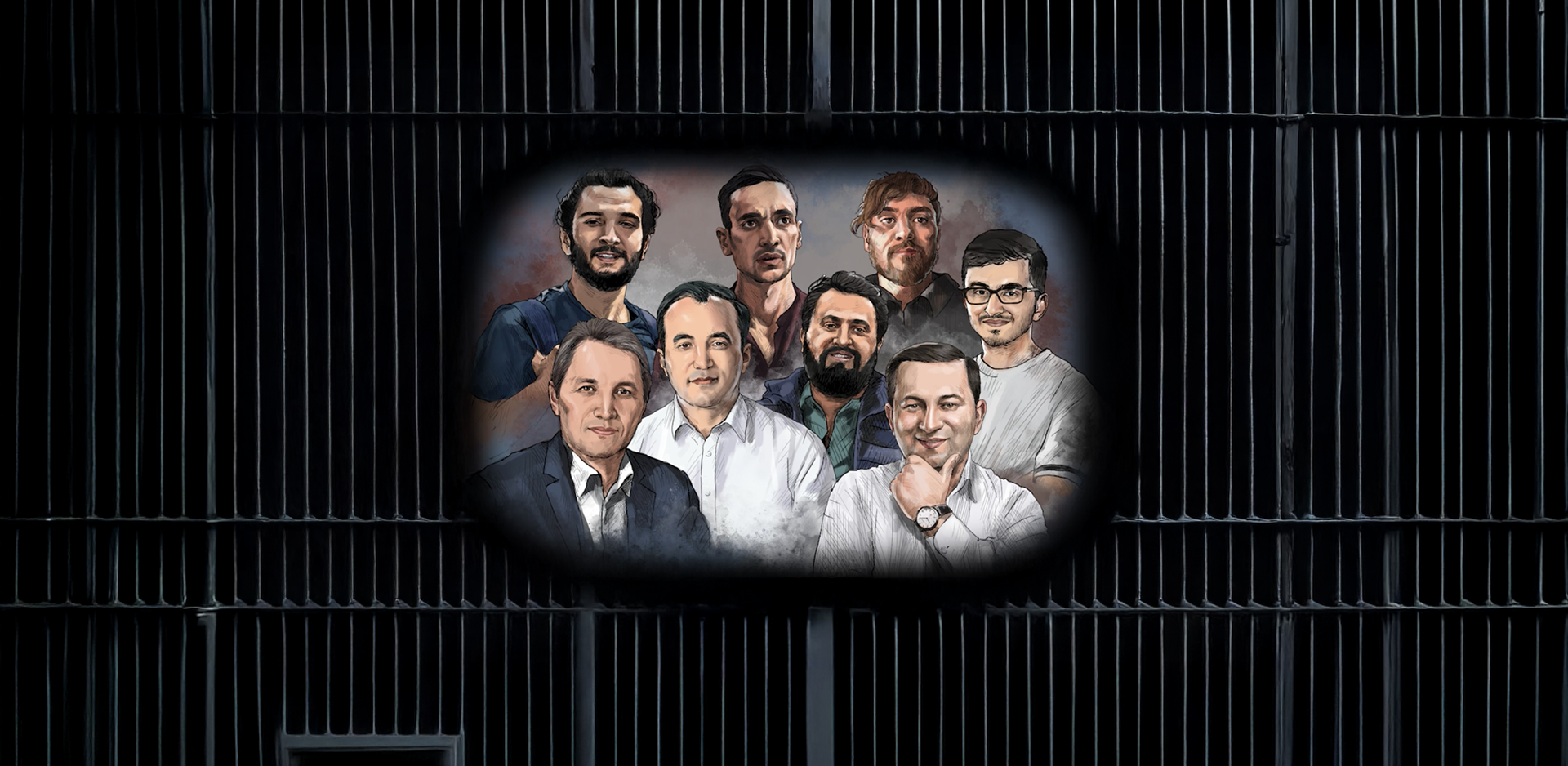
As a result, the media outlet was forced to cease operations within the country and continue broadcasting from abroad.
Court proceedings in this case are still ongoing.
Other media outlets and journalists
During the year, staff from other media outlets were also targeted. Aziz Orujov, head of the online television channel “Kanal 13,” was sentenced to two years in prison and was released on November 27 after serving his term. Teymur Karimov, an employee of “Kanal 11,” received an eight-year prison sentence, which was later reduced to six years by the appellate and Supreme Court instances. Istak Totiyeva, who was detained alongside him, received a suspended sentence. Avaz Zeynalli, the imprisoned head of Xural TV, was released due to illness.
This year, Ahmad Mammadli, head of “Yoldaş Media,” and Vugar Mammadov, editor-in-chief of “Hürriyyət” TV, were also imprisoned.
The founder of the “Azel TV” website, Azerbaijani journalist Afgan Sadigov, who had been imprisoned in Georgia, was released. A bail of 5,000 lari (approximately 3,000 AZN) was set for him. The journalist had been detained in August 2023 at the request of Azerbaijani authorities, who had sought his extradition.
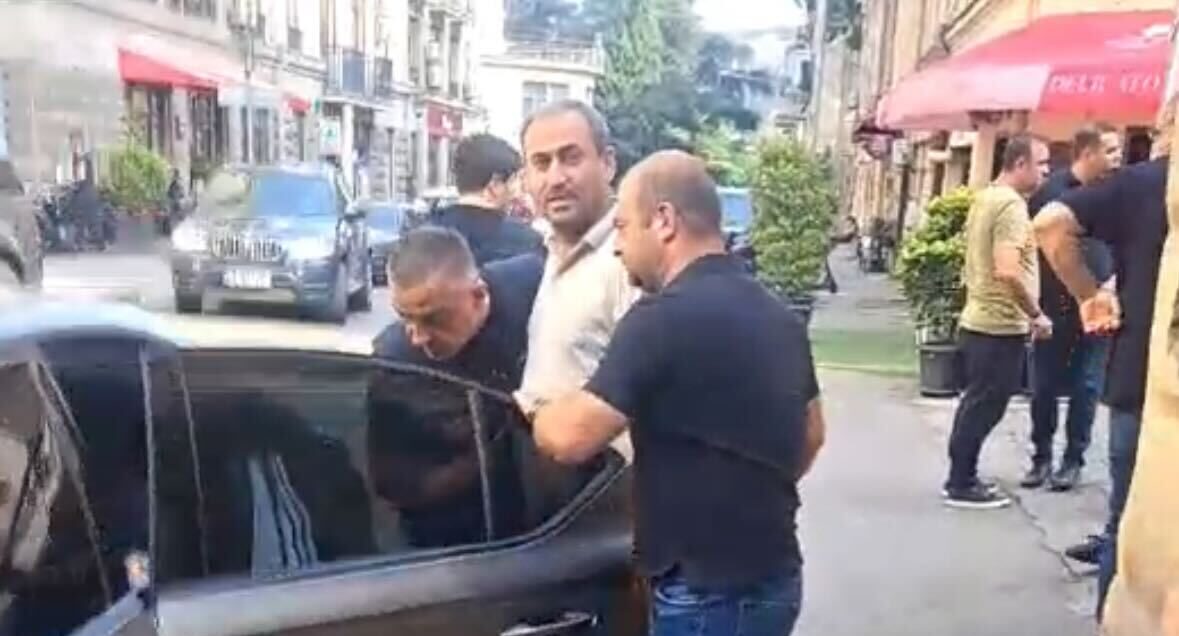
At the same time, administrative decisions were taken against media outlets. The BBC News Baku office was closed, the Sputnik agency’s local representation was shut down, and the accreditations of Voice of America and Bloomberg were revoked.
The country’s oldest independent media outlet, Turan Information Agency, was forced to cease its operations.
Violence, discrimination, and the right to life
On November 4, Yasin Ibadov was stabbed and killed in Baku. He was reported to be an LGBTQ+ individual, and the killing was allegedly committed by his uncle. Reports indicated that the response was delayed and that medical assistance was not provided.
On December 26, during a police raid at a club in central Baku, at least 106 LGBTQ+ individuals were detained. Allegations of degrading treatment, physical pressure, and demands for money were reported. The police did not issue any statement regarding the incident.
Political and civic activists
In 2025, political and civic activists continued to face consecutive convictions. Civic activist Bakhtiyar Hajiyev was sentenced to 10 years in prison. Rail Abbasov, who said he was arrested because of his friendship with Hajiyev, received 6 years and 6 months. Tofig Yagublu, a member of the Musavat Party and National Council, was sentenced to 9 years. Yagublu staged a 40-day hunger strike in protest of his sentence. Former diplomat Emin Ibrahimov was sentenced to 7 years. Political activist Nijat Ibrahim received 6 years and 6 months. Afiaddin Mammadov, head of the Workers’ Rights Confederation of Trade Unions, was sentenced to 8 years, while members Mohyaddin Orujov, Aykhan Israfilov, and Elvin Mustafayev each received 3-year sentences. Political activist and first-category disabled individual Famil Khalilov received a suspended sentence.
Academic freedoms were also severely restricted in 2025. Researcher Igbal Abilov was sentenced to 18 years for alleged treason, and Bahruz Samadov received 15 years in prison.
Regarding the case of Gubad Ibadoghlu, economist Fazil Gasimov, who had been detained in Turkey in 2023 and brought to Azerbaijan, was sentenced to 9 years in prison on March 13, 2025.

The chairman of the “Young Veterans” Public Union, participant in the Second Karabakh War and government critic Haji Valiyev was also among those arrested this year. Following his detention, the organization he led ceased its activities.
Civil activist Elgiz Gahraman was recognized as a defendant in the case of Imran Aliyev, head of the “meclis.info” website, and a police supervision measure was imposed on him for the duration of the investigation. Another civil activist, Anar Abdulla, was initially placed under pretrial detention. In April 2025, he became involved in the investigation of the criminal case against Anar Mammadli, the detained head of the Election Monitoring and Democracy Education Center (SMDTM). A police supervision measure was initially applied to him as well. On August 4, during a court hearing in this case, the judge, following a prosecutor’s request, replaced the measure with pretrial detention, and the activist was arrested in the courtroom. Court proceedings for both cases are currently ongoing.
On October 24, at the Baku Court for Serious Crimes, Anar Asadli, the head of the now-defunct Azerbaijan Yukselis Party (AY Party), was again arrested in the courtroom. During the proceedings, individuals recognized as victims filed a motion claiming that the damages had not been compensated. The court upheld their request and replaced his previously imposed travel restriction with pretrial detention.
This year’s wave of arrests also affected lawyers and independent legal professionals. On October 8, Zabil Gahramanov, whose legal practice had been suspended for six months, was arrested later that same month. On December 10, the Khatai District Court ordered pretrial detention for independent lawyer Namizad Safarov.
On December 12, reports emerged that Elbayi Karimli, a member of the Azerbaijan Popular Front Party (AXCP), had committed suicide at the medical unit of Correctional Facility No. 2. Elbayi Karimli had been arrested in August 2023 on drug-related charges after writing “Stalin” on the Heydar Aliyev statue and was sentenced to six years in prison.
In the final days of the year, specifically on December 22, social media activist Dayanat Chalabiyev, known for his critical posts about the government, was arrested. Dayanat Chalabiyev, an English teacher, is accused of intentionally causing serious harm to health. He denies the charges and states that he was arrested because of his critical writings.
“NGO Case” and civil society
In 2025, a large-scale investigation was conducted against civil society under the “NGO case.” Members of civil society, Bashir Suleymanli and Mammad Alpay (Mammadzada), were arrested. House arrest and police supervision measures were applied to Hafiz Hasanov, Galib Bayramov, and Mehriban Rahimli. Subhan Hasanli, Jamil Hajiyev, and Aytaj Aghazada faced pre-trial arrest in absentia and search orders. Reports indicated that approximately 50 people in total were involved in the investigation, including Ahmad Mammadzada, Galib Bayramov, Asif Ahmadov, Zamin Zakiyev, and Nargiz Mukhtarova.
Exiles and sentences in absentia
In 2025, bloggers, activists, and journalists living in exile were sentenced in absentia. Tural Sadigli, Ordukhan Temirkhan (Babirov), Mahammad Mirzali, Gabil Mammadov, Imamaddin Alimanov, Elshad Abdullayev, Gurban Mammadov, Ganimat Zahid, Natig Adilov, Altay Goyushov, Sevinj Osmangizi, Abid Gafarov, Arastun Orujlu, Emin Ahmadbayov, and others were charged with various offenses, and courts issued sentences in absentia for many of them.

List of political prisoners
According to the latest list compiled by the “Azerbaijan Alliance for the Freedom of Political Prisoners,” the number of political prisoners in the country stands at 392.
Meanwhile, throughout the year, many activists and journalists faced travel restrictions, and numerous political and civic activists were subjected to administrative detention.
Amnesty and other developments
On December 15, President Ilham Aliyev proposed an amnesty in connection with the “Year of the Constitution and Sovereignty” (2025). The National Assembly approved the draft on December 19, and the implementation of the act began on December 22. It was described as the most extensive amnesty in scale. According to the Ministry of Justice, the amnesty is expected to apply to nearly 8,000 prisoners in penitentiary institutions. Based on the initial list, around 5,000 people will be released from their sentences, while approximately 3,000 prisoners will have their sentences reduced by six months.
However, most individuals recognized as political prisoners were excluded from this amnesty.
Since the act came into force, human rights organizations report that 36 people identified as political prisoners have been released, and around 30 more are expected to be freed. According to human rights defenders, the majority of these individuals are religious figures included in the list of political prisoners who had been imprisoned on drug-related charges.
Members of civil society issued a statement, calling the amnesty act a manipulation.
The most high-profile arrests of the year
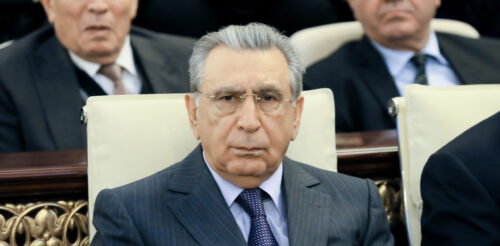
One of the most notable events of the year involved Ramiz Mehdiyev, former head of the Presidential Administration and former president of the Azerbaijan National Academy of Sciences. Referred to in the media as the “Gray Cardinal” and the head of Russia’s “fifth column,” Mehdiyev became the subject of a criminal case on October 14. He was charged with treason, attempting to seize power, and money laundering, and a house arrest measure was imposed.
On November 29, Ali Karimli, the leader of the Azerbaijan Popular Front Party (AXCP), was detained. The following day, both Karimli and party Presidium member Mammad Ibrahim were placed under pretrial detention. They were charged with actions aimed at forcibly seizing power and violently changing the constitutional order of the state.
During the night of November 30, Gultakin Hajibayli, a member of the National Council currently in Istanbul, was also detained by Turkish law enforcement and taken to a deportation center. It is likely that he will be deported to Azerbaijan.
Government-aligned media have attempted to link the detention of Ali Karimli and Mammad Ibrahim, and more broadly the government’s actions against the opposition, to Ramiz Mehdiyev’s criminal case under investigation by the State Security Service, while indirectly associating it with Russia.

Speaking of Russia, it would not be wrong to describe 2025 as a year marked by tensions with Russia. This becomes clearly evident from the foreign policy pursued by the Azerbaijani government throughout the year.
A year of open confrontation with Russia
The year 2025 was one of the most tense periods in Azerbaijan–Russia relations. Tensions began early in the year around the “Russian House” operating in Baku. Following Baku TV’s report titled “Russian House or a Russian Intelligence House?”, Yevgeny Primakov, the head of Rossotrudnichestvo, officially accused Baku of slander. In response, the respective ambassadors were summoned to the foreign ministries and diplomatic notes were exchanged. The Azerbaijani side demanded the “Russian House” meet legal registration requirements and requested the building be vacated.
The sharpest phase of the year, however, was the “Sputnik Azerbaijan” case. In February, the agency’s accreditation was revoked, and in June, the Ministry of Internal Affairs conducted an operation at its office, detaining seven people. Executive director Igor Kartavikh and chief editor Yevgeny Belousov were arrested on charges of fraud and illegal entrepreneurship. Russia criticized the move as an attack on the media, while the Kremlin expressed hope that the journalists would be released. In October, Kartavikh was released and sent back to Russia.
These tensions intensified following events in Yekaterinburg. In June, during an operation by the Russian Federal Security Service, two Azerbaijani brothers, Ziyaddin and Huseyn Safarov, were killed, and several other Azerbaijanis were detained. Azerbaijan condemned the incidents as disproportionate use of force and summoned the Russian embassy to the Ministry of Foreign Affairs.
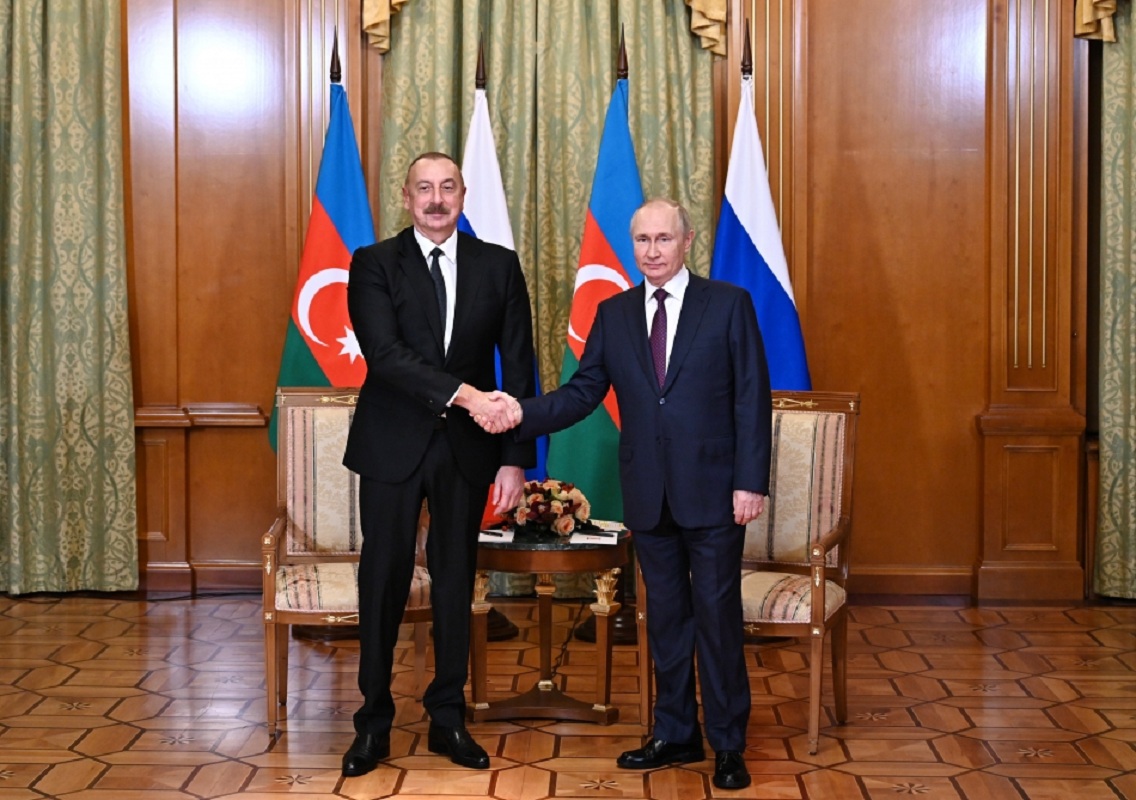
On September 1, during the Shanghai Cooperation Organization summit in Tianjin, China, President Ilham Aliyev met with several leaders but deliberately avoided contact with Russian President Vladimir Putin. This gesture was widely interpreted as a symbolic reflection of frozen relations, particularly in light of the recent civilian plane tragedy in Russian airspace and the deaths of Azerbaijani citizens in Russia. Coverage in Azerbaijani media sharply criticized Russian campaigns against Azerbaijan, signaling that patience in Moscow had worn thin.
Nevertheless, a complete rupture did not occur. In a one-on-one meeting in Dushanbe, Vladimir Putin apologized for the downing of the Azerbaijan Airlines plane on December 25 of the previous year, acknowledged a technical malfunction in the air defense system, and pledged compensation. Ilham Aliyev expressed hope for an objective investigation. While the leaders’ statements suggested an attempt to maintain relations within a formal framework of alliance, it was clear that real trust had been seriously damaged.
Increasing distance from the west: Statements by USAID and UN agencies
In 2025, the most significant changes in Azerbaijan’s relations with Western institutions occurred in its dealings with the United States and the United Nations. The Azerbaijani government officially suspended the operations of the United States Agency for International Development (USAID) in the country, stating that it no longer had a legal basis to operate. Foreign Minister Jeyhun Bayramov openly declared that USAID programs had primarily served U.S. interests.
This move led to an apparent cooling in U.S.–Azerbaijan relations. Washington continued to express concern over arrests and human rights issues, while Baku viewed these criticisms as interference in its internal affairs. President Ilham Aliyev’s hopeful comments about a potential political return of Donald Trump further indicated that relations at this stage were not strategic.
A similar pattern was observed in Azerbaijan’s relations with UN agencies. In 2025, UNDP, UNHCR, UNFPA, UNICEF, and the International Committee of the Red Cross suspended their operations in Azerbaijan. Official Baku justified these decisions by emphasizing that Azerbaijan is no longer a recipient country but a donor and proactive partner, noting that future cooperation would only be possible directly at the headquarters level.
International observers interpreted these developments as Azerbaijan gradually isolating itself from global humanitarian and legal mechanisms.
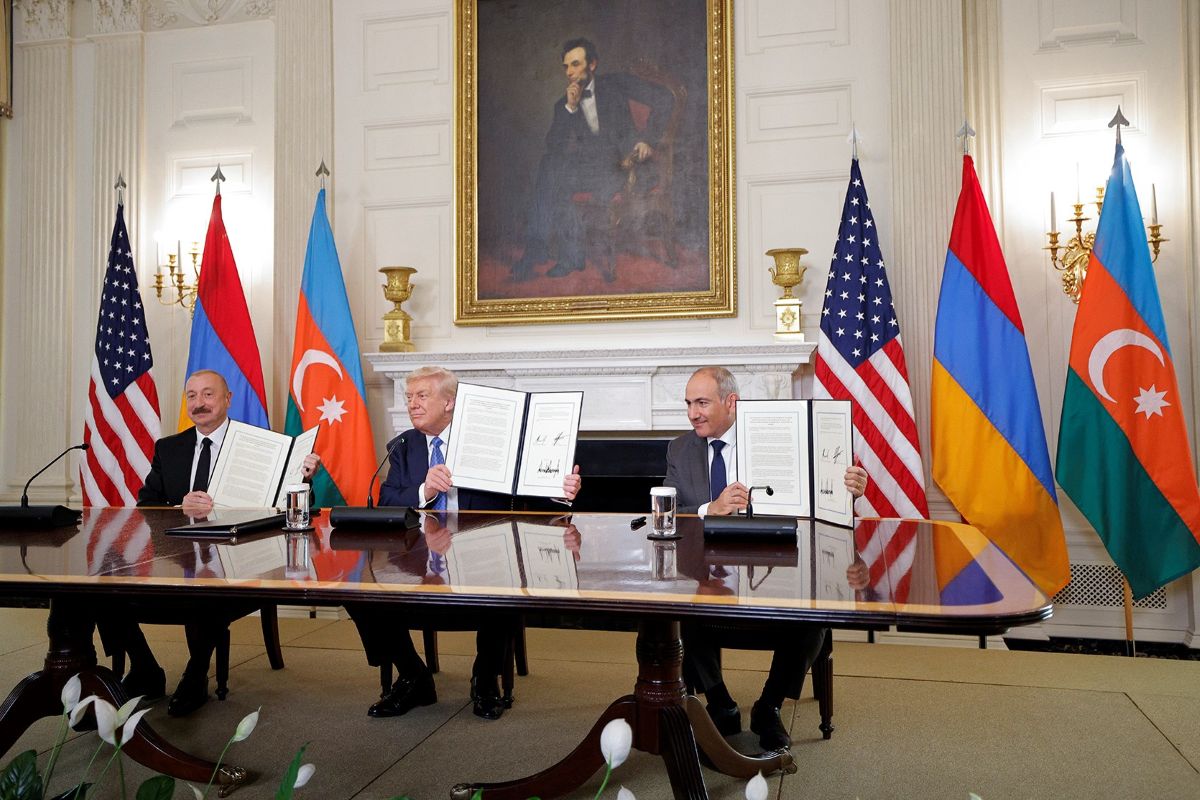
Against the backdrop of cooling relations with Russia, 2025 also saw a significant shift in Azerbaijan’s ties with the United States. On August 8, during a trilateral summit hosted by U.S. President Donald Trump in Washington, a peace agreement text between Azerbaijan and Armenia was initialed, and a joint statement was adopted.
At the White House ceremony, Trump, Ilham Aliyev, and Nikol Pashinyan signed the joint statement. Trump expressed confidence in lasting peace in the region and named a transportation corridor that would connect the main part of Azerbaijan with Nakhchivan the “Trump Route.” The U.S. guaranteed this corridor for 99 years and outlined a participation plan, introducing a new balance of power in the region.
Ilham Aliyev called the process “the beginning of a strategic partnership” and announced that a strategic partnership charter between Baku and Washington would be prepared in the following months. The repeal of the U.S. 907 amendment was seen as a historic turning point in bilateral relations. Trump’s portrayal of Aliyev as a “tough and smart leader” and Pashinyan’s initiative to nominate Trump for the Nobel Peace Prize further reinforced the political symbolism of this process.
Peace with Armenia: Legal framework and closure of international mechanisms
One of the most significant outcomes of 2025 was that the peace process with Armenia moved onto a legal plane. The text of the “Agreement on the Establishment of Peace and Interstate Relations between the Republic of Azerbaijan and the Republic of Armenia” was initialed and made public. Under the agreement, the parties recognize each other’s territorial integrity, renounce future territorial claims, commit to the delimitation and demarcation of borders, establish diplomatic relations, and agree not to station third-country forces along the border.
Following this process, a decision was made to dissolve the OSCE Minsk Group. On September 1, the 57 member states of the OSCE unanimously voted for the dissolution of the Minsk Group by the end of the year. The OSCE Chair, Elina Valtonen, welcomed the decision as a result of a joint request from Azerbaijan and Armenia. In this way, the international mediation mechanism that had operated for more than 30 years came to an end.
On December 18, for the first time, 22 tankers filled with AI-95 gasoline were sent from Azerbaijan to Armenia by rail. This was considered a concrete step toward the normalization of relations between the two countries.
Civil Society and “Controlled Public Diplomacy”
At the end of the year, visits by civil society representatives from Azerbaijan and Armenia to Yerevan and Baku drew attention. During the meetings held in Yerevan in October and in Baku in November, trust-building was discussed, but independent experts described these initiatives as “managed people’s diplomacy.” The refusal to allow the Armenian delegation in Baku to meet with 23 Armenian prisoners highlighted the limitations of the process.
These meetings were seen both as an attempt to lend public legitimacy to the official peace agenda and, given the weakened state of independent civil society in Azerbaijan, as a largely symbolic step.
Normalization with Iran while maintaining a cautious balance
Relations with Iran stabilized relatively in 2025. Although Tehran sent a note of protest regarding Iranian citizens detained in Azerbaijan, Baku reported that several Iranian citizens had been granted amnesty.
The main milestone in the normalization of relations was the visit of Iranian President Masoud Pezeshkian to Baku in April. This visit was seen as a new chapter in relations following the tense period of 2023–2024.
Israel and Turkey dimension
The planned visit of Israeli Prime Minister Benjamin Netanyahu to Baku was postponed for security reasons. According to unofficial reports, the issue of Turkey’s airspace also influenced this decision. This incident was compared to the cancellation of Israeli President Herzog’s visit in 2024 within the framework of COP29 and demonstrated how sensitive the regional balance is.
Diplomatic crises with Europe
In 2025, relations with European institutions were not without problems. The President of the Parliamentary Assembly of the Council of Europe, Theodoros Roussopoulos, accused the Azerbaijani leadership of political arrests and sharply criticized Baku for not recognizing European Court of Human Rights (ECHR) decisions. In response, Roussopoulos was placed on a “blacklist.”
Azerbaijan did not participate in the Yerevan session of the Parliamentary Assembly of Euronest, which caused dissatisfaction in Brussels.
Relations with Germany also faced a crisis when President Frank-Walter Steinmeier shared images of former separatist symbols on social media. The Azerbaijani embassy lodged a strong protest, the German ambassador was summoned to the Ministry of Foreign Affairs, and ultimately the German Presidential Administration issued an apology.
Shadow networks, dirty money, and contaminated oil
Since the beginning of the year, European media began linking individuals close to the Azerbaijani ruling elite to drug, financial crimes, and international corruption investigations. One of the first shocking incidents in this series was allegedly a drug party held in a villa in the Greek city of Kalivia. Izzat Khanum Javadova, known as a DJ and the daughter of Jalal Aliyev, the uncle of the President of Azerbaijan, had a pre-trial detention order issued by a Greek court. During a police operation, dozens of packages of cocaine, ecstasy, crystal methamphetamine, and more than 43,000 euros in cash were found in her bedroom. While Javadova denied the charges, the case materials connected her not only to the drug incident but also to broader financial networks.
Against this backdrop, energy and corruption scandals routed through Malta resurfaced. According to Times of Malta and Reuters, within the framework of the Electrogas power plant project, partnered with SOCAR Trading, the company “17 Black” facilitated the circulation of millions of euros in dirty money. The Maltese businessman Jorgen Fenek, who controlled 17 Black, allegedly used it as a secret payment mechanism for K. Schembri, former chief of staff of Malta’s Prime Minister, and K. Mizzi, former energy minister. Investigations showed that SOCAR Trading earned approximately 32 million euros from price differences in this scheme.
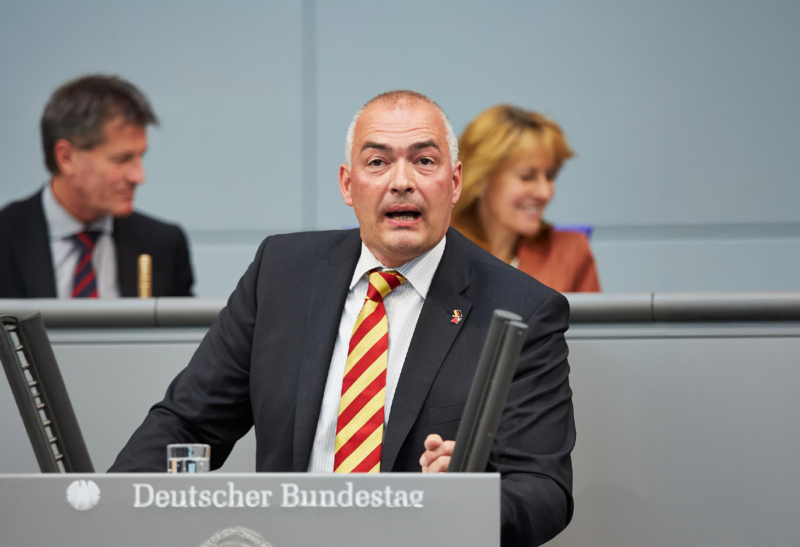
The corruption mechanism, known in Europe as “caviar diplomacy,” also reached the German judicial system. The Munich Higher Regional Court found former Bundestag member Eduard Lintner guilty of accepting bribes to lobby on Azerbaijan’s behalf in the Parliamentary Assembly of the Council of Europe. According to investigation materials, Lintner received around four million euros from Azerbaijan between 2008 and 2016. Another PACE member mentioned in the case, Karin Strenz, was highlighted for voting against human rights reports related to Azerbaijan.
In the United Kingdom, lawyer Rory Fordays, linked to the family of Azerbaijan’s former national security minister Eldar Mahmudov, was heavily fined. The tribunal found that he had deliberately conducted only superficial checks on property purchases worth millions of pounds by the Mahmudov family.
At the same time, Azerbaijan’s former ambassador to the UK, Rafael Ibrahimov, was also implicated in scandals. He was found guilty of sexual misconduct against three female staff at a rehabilitation clinic in Cheshire and received a 16-month suspended prison sentence along with a 10-year registration on the sex offenders’ registry.
The seizure and sale of properties belonging to Zamira Hajiyeva, spouse of the former chairman of ABB, Jahangir Hajiyev, in London demonstrated the strict control over Azerbaijani-origin assets in the West.
The largest international crisis of the year occurred in the energy sector. In July, the “Azeri Light” oil exported to Europe via the Baku–Tbilisi–Ceyhan pipeline was found to contain organic chlorides exceeding normal levels. Italian, Romanian, and Czech oil companies refused to accept the contaminated oil, some plants declared emergencies, and the European Commission was notified. As a result, oil transport via BTC was completely halted for several days. The scandal was compared to the 2019 crisis involving the Druzhba pipeline and raised potential compensation claims against Azerbaijan.
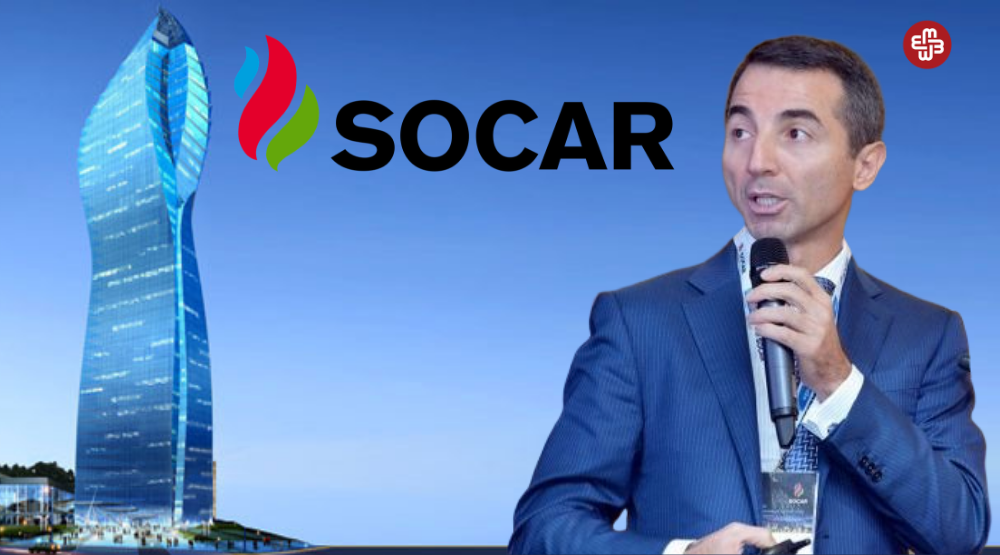
Following these events, oil magnate Adnan Ahmadzade was arrested in Baku. He was accused of mixing “Azeri Light” oil with other crude oils for sale and of sabotaging economic security, even though Ahmadzade no longer held an official position at SOCAR. Independent experts noted that he had been “made a scapegoat” and that responsibility should extend to a broader circle.
At the same time, international media published investigations accusing Ahmadzade of exporting Russian and Libyan oil to Europe as “Turkmen” origin using fake certificates. These reports highlighted connections with companies such as Alkagesta, Oil Mar Shipping, Caspian Oil and Gas, and SOCAR Trading.
This situation was further complicated by reports on multimillion-dollar real estate investments in Georgia by the family of Vasif Talibov, former chairman of the Nakhchivan Supreme Assembly, and alleged domestic violence incidents in the United States involving the son of Mazahir Panahov, chairman of the Central Election Commission.
According to Transparency International’s 2024 Corruption Perceptions Index, Azerbaijan ranked 154th out of 180 countries, further weakening the country’s international reputation. The ranking underscored serious problems in the judicial system, law enforcement agencies, and state institutions in combating corruption.