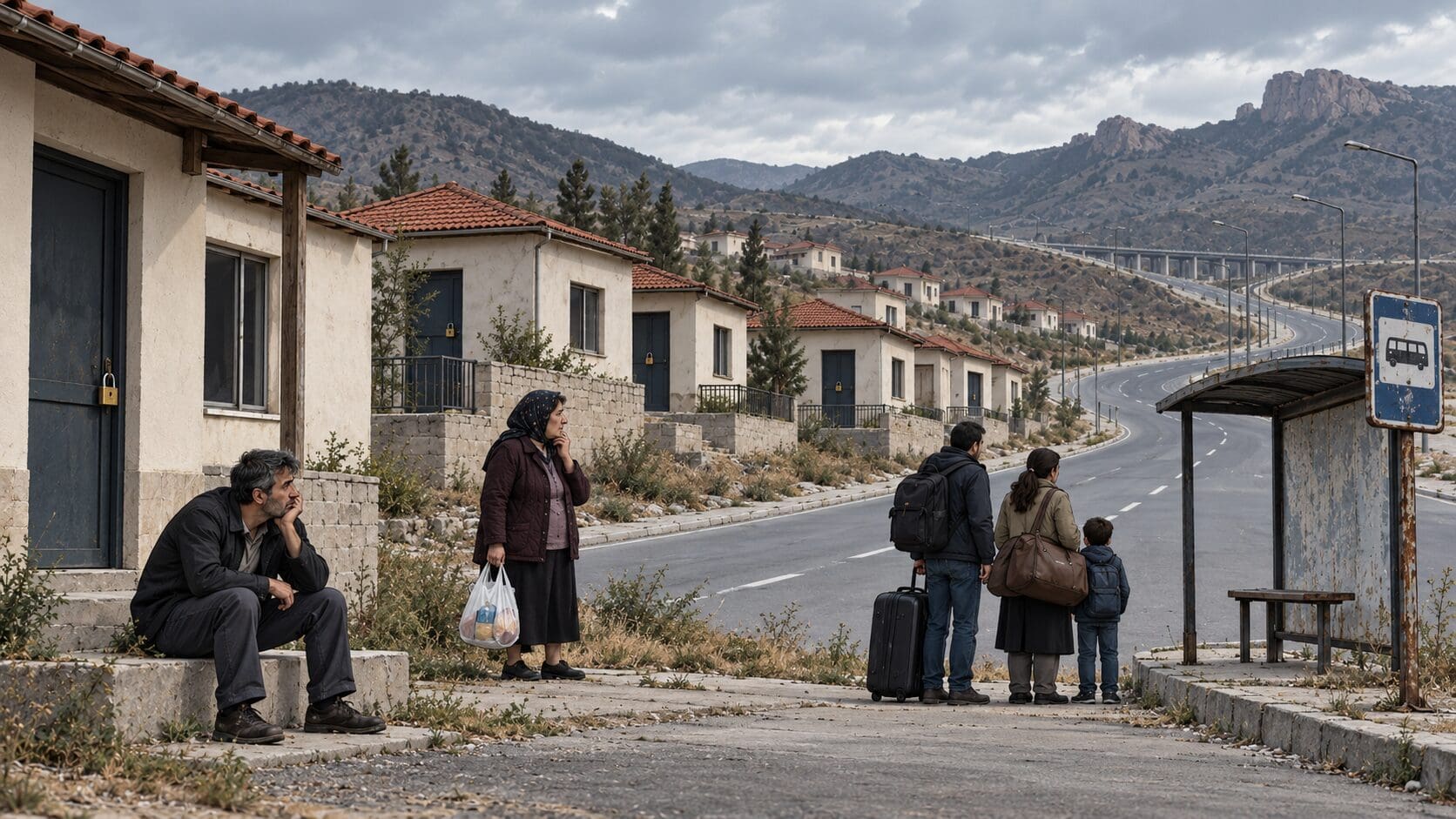
In Azerbaijan, the dissemination of information about personal and family life is prohibited, even if it is true.
The Supreme Court has released a new decision on this matter under the “Protection of Personal Rights” framework.
According to the decision, individuals can now go to court on the grounds of violation of their right to privacy, regardless of whether the information is true or false. They will have the right to demand compensation for moral damages, deletion of the information, retraction, or cessation of its dissemination.
Previously, it was only possible to go to court if the disseminated information was false; sharing truthful information without consent did not provide legal protection.
For many years in Azerbaijan, it has been common for activists, journalists, opposition figures, and their family members to have their private images obtained without consent and disseminated for political purposes. Channels under government control have broadcast TV programs and reports featuring such footage.
However, Article 32 of the Constitution of Azerbaijan guarantees the right to personal inviolability. According to this article, no one may collect, store, use, or disseminate information about a person’s private life without their consent. Moreover, everyone has the right to confidentiality of correspondence, phone calls, mail, telegraph, and other means of communication, which the state must guarantee.
The Supreme Court’s decision following blogger Mehman Huseynov’s series of videos about President Ilham Aliyev’s daughter-in-law Alyona Aliyeva has raised many questions. A portion of the public believes that this is not a coincidence.
Is a legal loophole being closed, or is a new one being created?
Lawyer Fariz Namazli told Meydan TV that the inviolability of private and family life is one of the fundamental rights protected by the constitution. However, previous legal practice created significant gaps in protecting personal information.
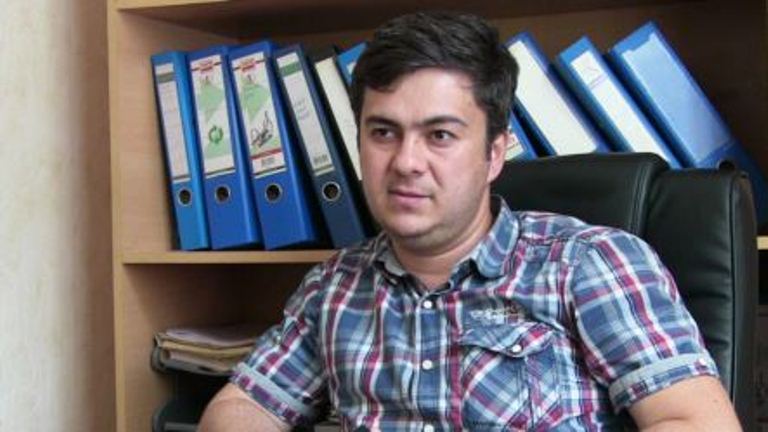
“Previously, the primary condition for civil lawsuits was that the disseminated information be false. If true information was shared without consent, there was no effective legal protection mechanism,” he said.
With the new decision, this gap has been closed, and the right to privacy is recognized as a separate, independent legal institution. Nonetheless, the lawyer expressed concern that the law could create additional problems in some cases, particularly regarding restrictions on the activities of journalists and bloggers:
“Recently, the dissemination of information on social networks about the personal and family lives of government representatives has made it necessary to hold those who spread such information accountable under the law.”
Is the law applicable to everyone?
Jamil Hasanli, chairman of the National Council, emphasized that the decision is part of a broader strategy to restrict freedoms in the country:
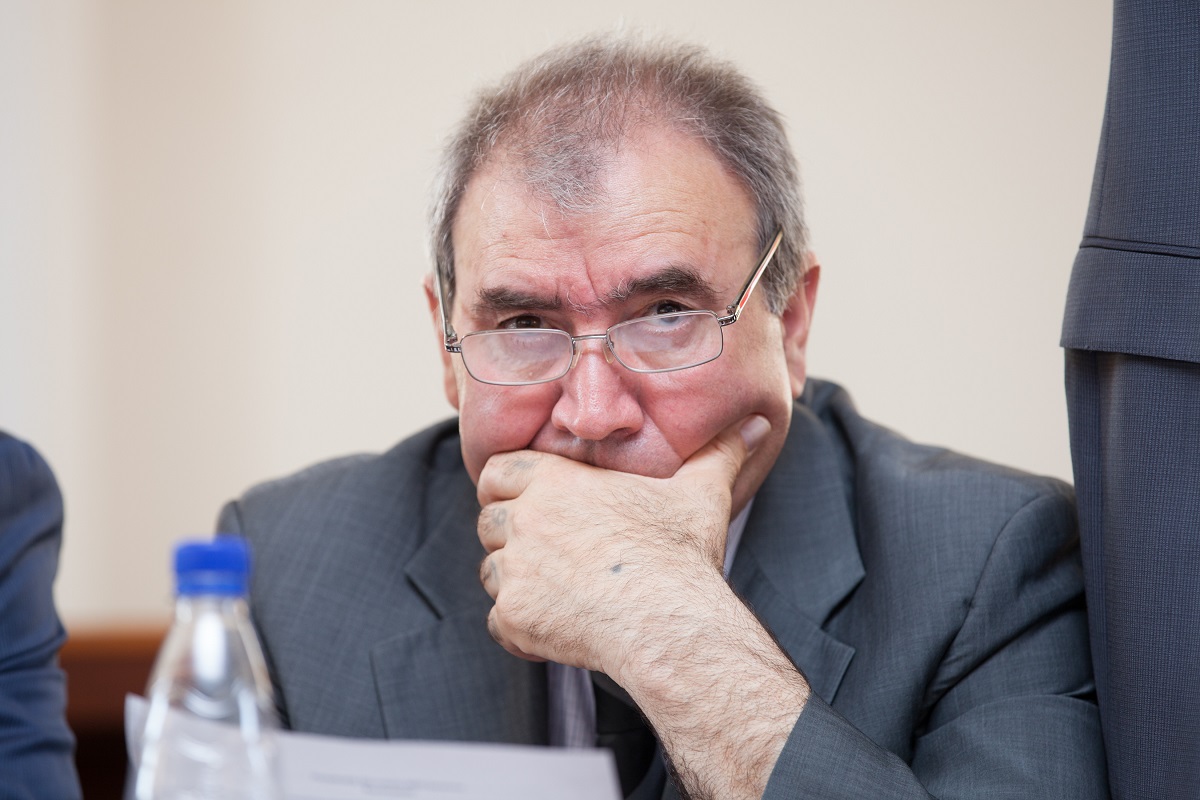
“This decision will mainly affect journalists, bloggers, and information disseminators. The goal is to limit their activities. It is a decision that prevents the personal information of the ruling elite from becoming public more than protecting citizens. It contradicts the Human Rights Charter that Azerbaijan has joined, the UN Charter, and the fundamental principles of human rights of the Council of Europe.”
Hasanli added that government authorities themselves have been collecting, using, and disseminating private information for years to put targeted individuals under pressure:
“It is interesting whether this decision will also apply to the state and government authorities. This is a serious issue because, for a long time, the State Security Service, Ministry of Internal Affairs, and related bodies have installed secret video devices in people’s homes and used the material for blackmail. They also publicize it on affiliated websites and media outlets. It seems that the government will use this law to target journalists, bloggers, and anyone working in the information field to restrict their freedom.”